
Scrap cable recycling for contractors and industry
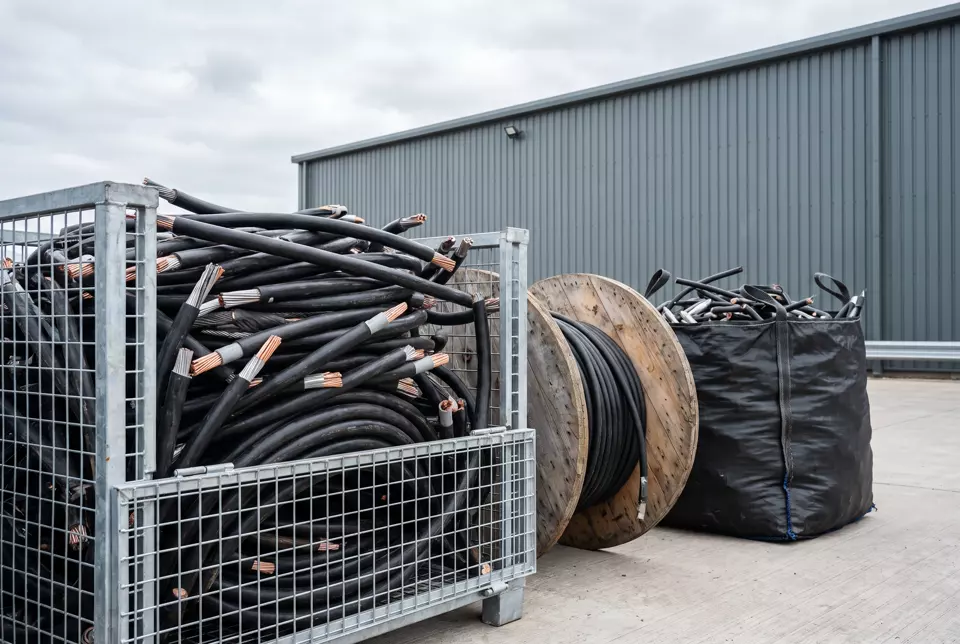
Armoured power cable, copper and aluminium cable, drum ends and strip-out cable, collected and sold through licensed scrap metal dealers. Sorted cable has a metal value, so it shouldn’t be going in a skip.
- One point of contactEvery stream, every collector, one number to call when something needs sorting.
- Matched, not bundledEach type of waste goes to the collector and outlet that suits it best.
- Paperwork in placeWaste transfer notes for every stream, so your duty of care is covered.
- Ready for Simpler RecyclingDry recycling, food and general waste kept apart, the way the law now expects.
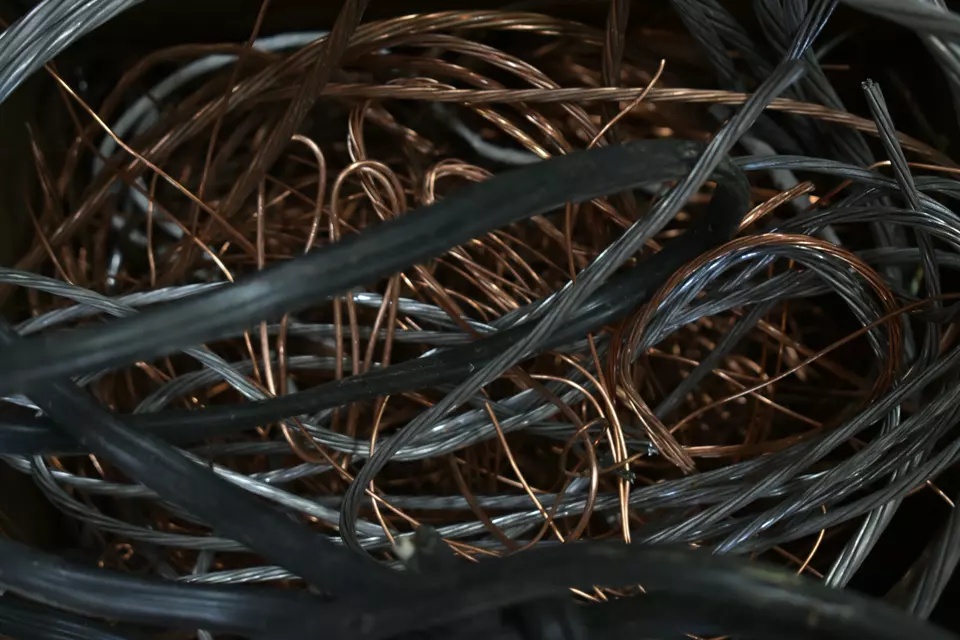
Scrap cable is one of the most valuable things an electrical contractor or industrial site throws away. Under the insulation and armour there is copper or aluminium, and both are traded metals. Mixed into a general skip, that value is lost. Kept apart, sorted by type and collected on its own, the same cable is a commodity that scrap metal dealers buy.
Recycle Gemini arranges cable recycling for electrical contractors, installers, manufacturers, facilities teams and strip-out firms across Wigan and the North West. Whether it is copper cable from a rewire or armoured cable from a plant room, we find out what you have and how much, suggest how to sort it, and arrange collection and sale through licensed scrap metal dealers. Payment comes from the dealer by bank transfer, and the waste transfer notes are in place for every load.
Cable we can arrange to recycle
- Steel wire armoured (SWA) power cable
- Aluminium wire armoured (AWA) single-core cable
- Copper power cable, single-core and multicore
- Aluminium conductor power and distribution cable
- Twin and earth and other building wiring
- Flexible cable and welding cable
- Control and instrumentation cable
- Data cable, such as Cat5 and Cat6
- Copper telecom cable
- Drum ends and offcuts from installations
- Strip-out cable from refits and demolition
- Stripped copper wire, kept apart from insulated cable
Keep these out of your cable
- Cable still attached to equipment, appliances or light fittings (WEEE collection)
- Fibre-optic cable, which has little or no copper (ask us, it needs a different outlet)
- Cable containing oil, coal tar or other hazardous substances (specialist hazardous waste collection, so tell us first)
- Empty wooden cable drums (wood recycling)
- Plastic trunking, conduit and cable ties (plastic recycling or general waste)
- Steel cable tray, basket and conduit (scrap metal, in a separate container)
Bins and collections
Ways to store and collect scrap cable
We size the containers to your space and what you produce, and set the collection frequency to match.
Lockable cages
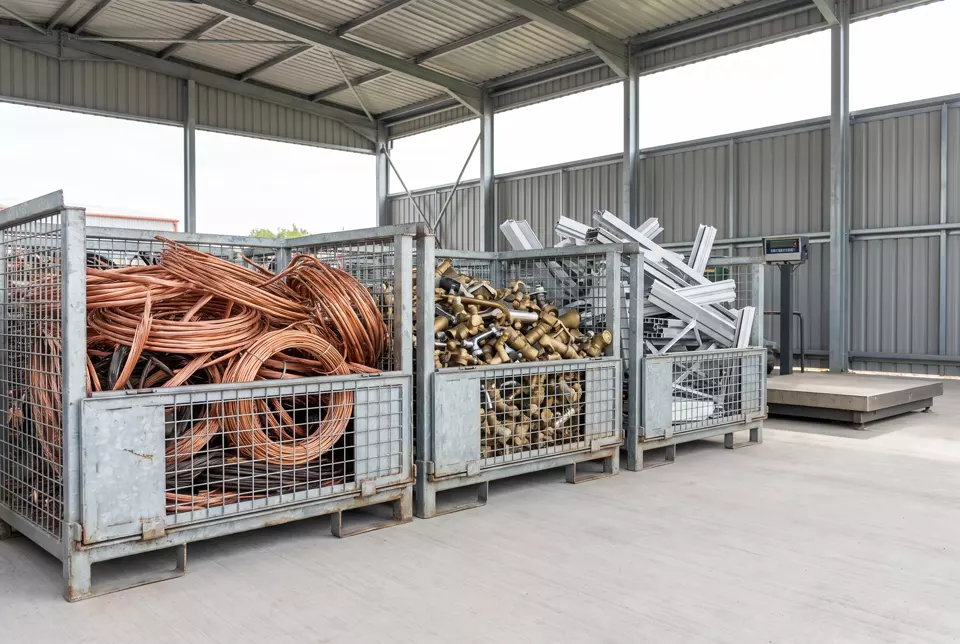
A steel cage keeps cable together, tidy and secure until it is collected. Scrap cable is a target for theft, so it is worth keeping it locked away.
Bulk bags
For offcuts, tails and data cable. One type per bag keeps each grade clean and makes every load easy to check and weigh.
Skips for strip-out cable
For refits and demolition, an open skip holds a large volume of strip-out cable in one place and goes away as a single load.
Drum ends and long lengths
Cable still on its drum, or in long lengths, can usually go as it is, without cutting it down on site. If it is new and unused, ask us whether it can be reused first.
Why it matters
What affects the value of scrap cable
Scrap cable is priced on the metal you can get out of it. Copper is worth more than aluminium, so the conductor comes first. Then comes recovery: how much of the cable’s weight is metal. Large power cable has a high proportion of copper, while thin data and telecom cable is mostly plastic, so it is worth far less per tonne. Steel armour adds weight but little value. The insulation type affects how easily the metal can be separated, and clean, sorted loads are graded higher than mixed ones. Quantity matters too, and prices move with the copper and aluminium markets.
Cable is also one of the most closely regulated scraps. Under the Scrap Metal Dealers Act 2013, scrap metal dealers in England and Wales need a licence from the local council, must verify the name and address of whoever supplies the metal, and can only pay by bank transfer or a non-transferable cheque, never cash. Burning insulation off cable to recover the metal is an offence under the Clean Air Act 1993, unless it is part of a permitted process. We only arrange sales through licensed dealers, with a waste transfer note for each load, so the paper trail is clean.
How it works
From one conversation to every bin sorted
No site visit needed to get started. Most businesses can tell us what they need in ten minutes, and we take it from there.
Tell us what you throw away
What your site produces, roughly how much, where the bins can go, and what you have in place now.
We match each stream
We find the right registered collector and the right recycling or treatment outlet for every type of waste.
Bins and dates set up
The right containers for your space, emptied as often as you actually need, with the paperwork in place.
One contact from then on
Extra lift, a missed collection or a new stream to add? You come to us, and we deal with it.
Related services
Often set up alongside scrap cable
-
Swarf recycling
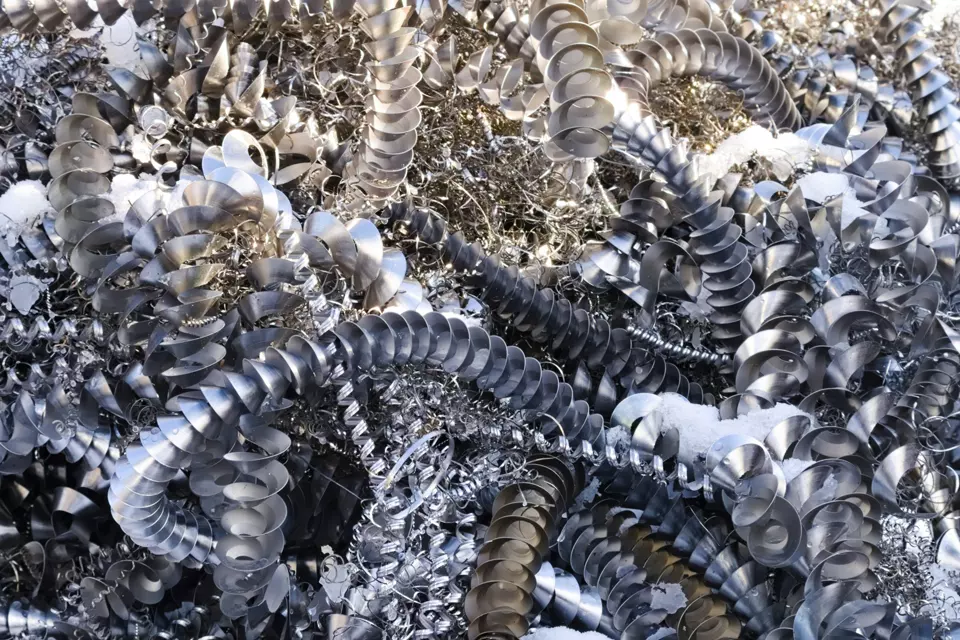
Steel, stainless, aluminium and brass turnings from machining, kept apart by grade and collected in the right bins or skips. Find out more -
Stainless steel recycling
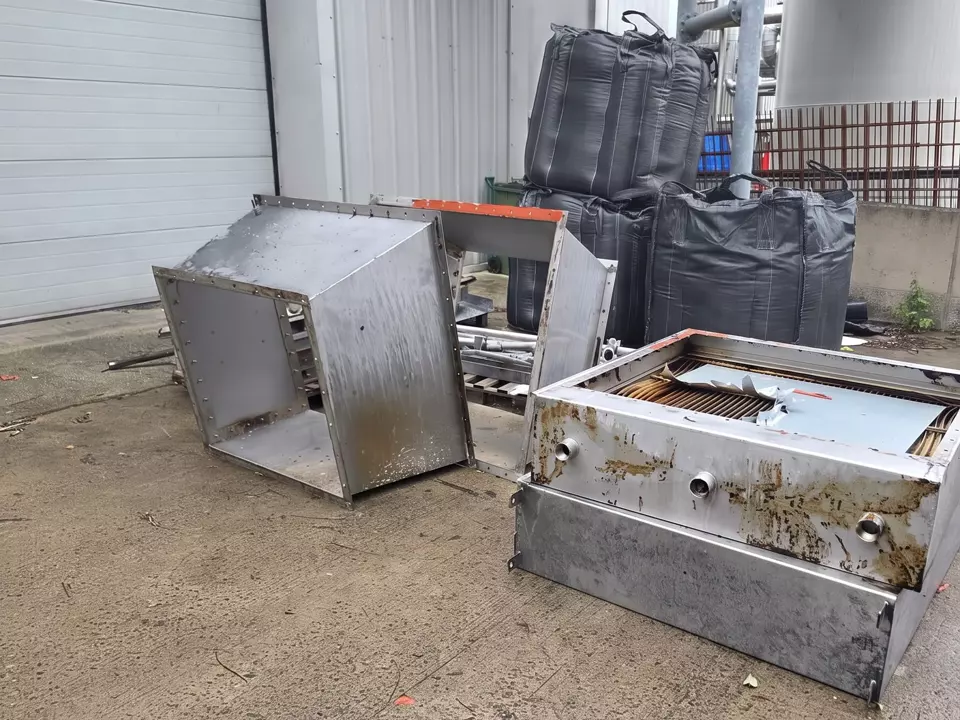
Industrial stainless offcuts, sheet, plate, tube and pipe, sorted by grade so its nickel content is paid for, not lost in mixed scrap. Find out more -
Scrap metal recycling
Copper, aluminium, brass, lead and steel scrap collected from your site and sold through licensed dealers, so it earns its value instead of costing you. Find out more
How much is scrap cable worth?
It depends on the cable and on the day. Cable is priced against the copper and aluminium markets, which move constantly, so a published price list would soon be out of date. What your load is worth comes down to the conductor, how much of its weight is metal, whether it is armoured, how clean and well sorted it is, and how much you have. Tell us what you have and we will get you a current price from a licensed dealer.
Should we strip cable before it’s collected?
Usually not. Stripping by hand is slow, and for most cable the labour isn’t worth it. Reprocessors chop and granulate cable, then separate the metal from the plastic, far more efficiently than anyone can by hand. Large single-core cable can be worth stripping if you have the right machine and do it safely. Never burn cable to get at the copper: burning off insulation to recover metal is an offence under the Clean Air Act 1993.
Can armoured cable be recycled?
Yes. Steel wire armoured (SWA) cable is one of the most common scrap cables from electrical contractors and industrial sites. The steel armour lowers its value per tonne compared with unarmoured cable of the same size, so keep armoured and unarmoured cable apart. Single-core cable with aluminium wire armour (AWA) is worth keeping separate too. The more of a single type you can put together, the easier the load is to grade and price.
Is scrap cable hazardous waste?
Most is not. The List of Waste has a non-hazardous entry for ordinary cable and a separate hazardous entry for cable containing oil, coal tar or other hazardous substances. If you have old cable from a substation, plant room or industrial site and you aren’t sure what is in it, tell us before it goes in with the rest. It is illegal to mix hazardous waste with non-hazardous waste, and hazardous waste needs a consignment note.
Do we get paid for our scrap cable, swarf and stainless?
Usually, yes. Clean, separated scrap metal has a market value, so it should earn you money rather than cost you. We arrange collection and sale through licensed scrap metal dealers, and you are paid by bank transfer: paying cash for scrap metal is illegal in England and Wales under the Scrap Metal Dealers Act 2013. What it is worth moves with the metals markets, so it is priced at the time of collection.
Should we keep different metals apart?
Yes, wherever you can. Mixed scrap is priced at the value of its lowest-grade part, so stainless thrown in with mild steel, or copper cable mixed with aluminium, is paid for as the cheaper metal. Separate bins or bags for each metal and grade, kept free of general waste, make the biggest difference to what your scrap is worth.
Who is allowed to take our scrap metal?
Anyone who buys scrap metal in England needs a scrap metal dealer’s licence from their local council, and anyone carrying it as waste must be registered with the Environment Agency. Ask to see both before your scrap leaves site. We only arrange collections through licensed dealers and registered carriers, with the paperwork for every load.
Cable recycling across the North West
We set up cable recycling for businesses in Wigan and the towns around it. Pick your area for local details.
- WiganOur home borough
- Leigh6 miles from Wigan town centre
- Skelmersdale6 miles from Wigan town centre
- Chorley7 miles from Wigan town centre
- St Helens8 miles from Wigan town centre
- Bolton9 miles from Wigan town centre
- Warrington11 miles from Wigan town centre
- Bury14 miles from Wigan town centre
- Salford15 miles from Wigan town centre
- Preston15 miles from Wigan town centre
- Manchester17 miles from Wigan town centre
- Liverpool18 miles from Wigan town centre
No-obligation quote
Get a quote for cable recycling
Tell us what you throw away and where your site is. We will come back with a clear proposal for each stream, or a few questions if we need them. No obligation.
- Got a current contract?Mention your renewal date. Many waste contracts roll over automatically unless you give notice in time.