
Dry mixed recycling for businesses
One bin for clean cans, plastic bottles, pots and cartons, plus paper and card where your collector is set up for it. Taken to a licensed recycling facility for sorting.
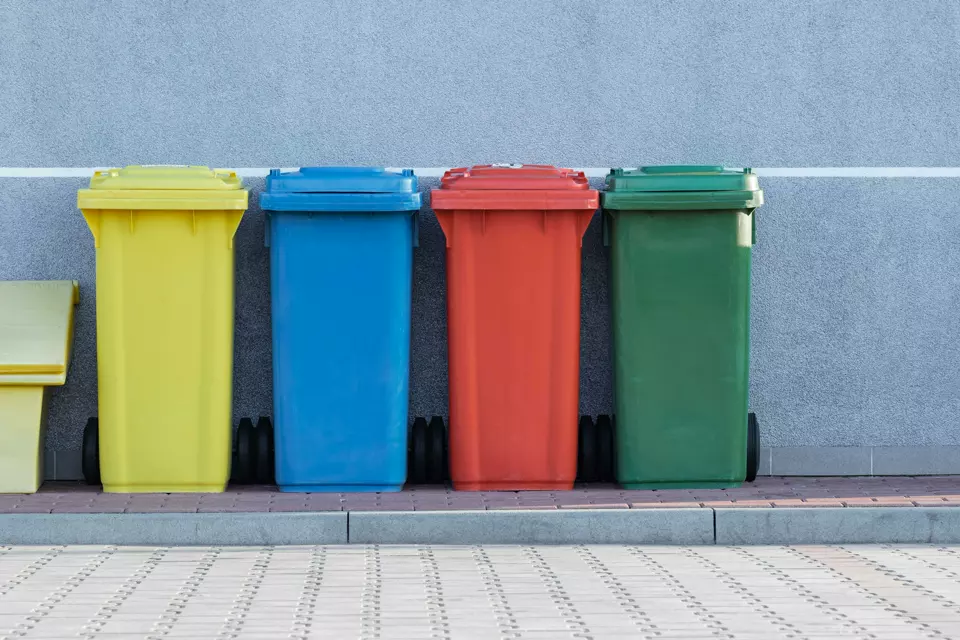
- One point of contactEvery stream, every collector, one number to call when something needs sorting.
- Matched, not bundledEach type of waste goes to the collector and outlet that suits it best.
- Paperwork in placeWaste transfer notes for every stream, so your duty of care is covered.
- Ready for Simpler RecyclingDry recycling, food and general waste kept apart, the way the law now expects.
Dry mixed recycling, often shortened to DMR, is the simplest way to recycle in most workplaces. Clean, dry packaging goes into one bin instead of several, and it is separated by material at a recycling facility after collection. For offices, shops, schools and care homes, it covers much of what staff throw away in a day.
Recycle Gemini sets up DMR collections through registered collectors across Wigan and the North West. We check what you produce, size the bins so they don’t overflow, suggest clear signs for them, and arrange the duty of care paperwork. If your site needs a separate bin for paper and card, or for glass, we set that up alongside.
What goes in dry mixed recycling
- Empty plastic drinks bottles
- Plastic milk bottles
- Rinsed plastic pots, tubs and trays
- Empty cleaning-product bottles
- Drinks cans, aluminium and steel
- Rinsed food tins
- Empty aerosols
- Clean aluminium foil and foil trays
- Food and drink cartons
- Office paper, envelopes and magazines, where your collector takes them mixed
- Flattened cardboard boxes, where your collector takes them mixed
Keep these out of the DMR bin
- Food and drink leftovers (food waste bin)
- Glass bottles and jars, unless your collector takes them mixed (glass recycling)
- Greasy pizza boxes and food-soiled packaging (general waste)
- Used tissues, paper towels and napkins (general waste)
- Coffee cups (general waste or a cup collection)
- Plastic film and carrier bags, unless your collector accepts them (plastic recycling)
- Confidential documents (confidential waste shredding)
- Batteries, vapes and small electricals, which can start fires (WEEE collection)
Bins and collections
Bins for dry mixed recycling
We size the containers to your space and what you produce, and set the collection frequency to match.
240 and 360-litre wheeled bins
For small offices, shops and cafes. Placed near the kitchen or print area, where most recyclable waste builds up.
660 and 1,100-litre bins
The usual choice for larger sites. A lid in a different colour from general waste, often with a slot or hole aperture, helps staff and collectors tell them apart and keeps the wrong things out.
Clear recycling sacks
For sites with no room for a bin. The collector can see what is inside, which helps keep contamination down.
Indoor bins and signs
Matching indoor bins and clear signs where waste is made, so recycling is separated at the desk or the till, not picked out of the general bin later.
Why it matters
Why a separate recycling bin matters
Under Simpler Recycling, workplaces in England must separate dry recyclables from food waste and general waste before collection. Metal, glass and plastic can legally be collected together. Paper and card should be kept apart from them by default, unless the collector has completed a written assessment showing that separate collection is not technically or economically practicable, or has no significant environmental benefit. When we set up your DMR, we check which applies, so you know your bins meet the rules.
Contamination is the other thing to get right. A bin full of greasy packaging or half-drunk coffee cups can be refused, or charged extra, which defeats the point. Clear signs, the right lids and bins in the right places do most of the work. Done properly, DMR moves a lot of your waste out of the most expensive bin and into one that usually costs less to empty.
How it works
From one conversation to every bin sorted
No site visit needed to get started. Most businesses can tell us what they need in ten minutes, and we take it from there.
Tell us what you throw away
What your site produces, roughly how much, where the bins can go, and what you have in place now.
We match each stream
We find the right registered collector and the right recycling or treatment outlet for every type of waste.
Bins and dates set up
The right containers for your space, emptied as often as you actually need, with the paperwork in place.
One contact from then on
Extra lift, a missed collection or a new stream to add? You come to us, and we deal with it.
Related services
Often set up alongside dry mixed recycling
-
Commercial waste collection
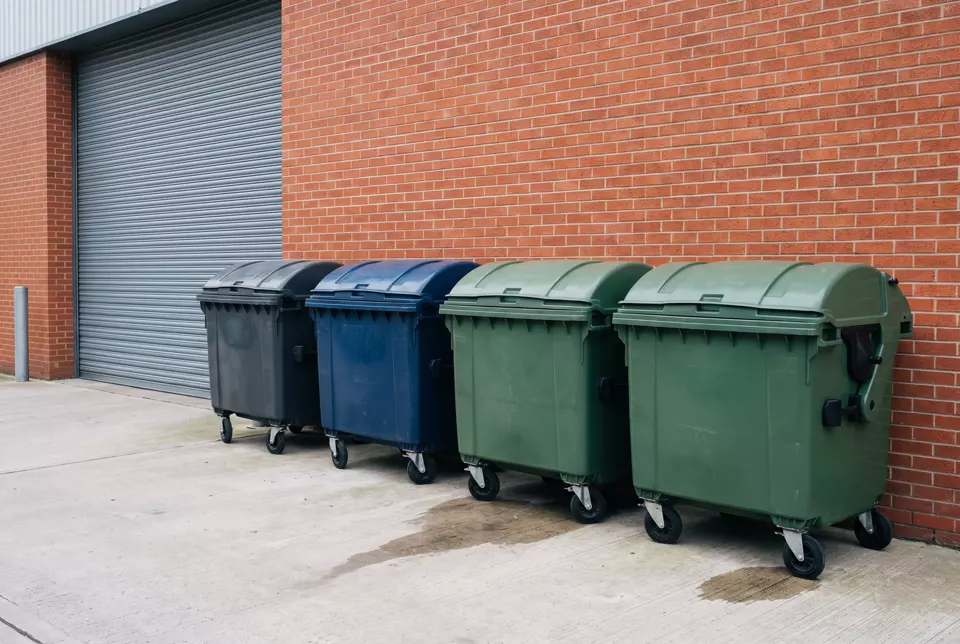
Scheduled collections of your general (residual) waste, in the right bins for your site and at the right frequency, with the paperwork in place. Find out more -
Food waste collection
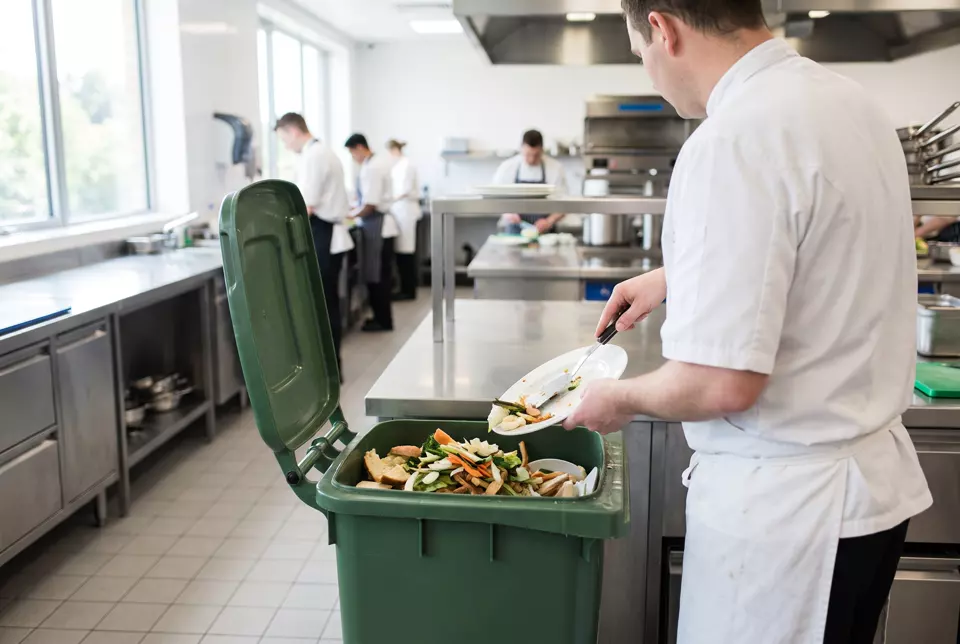
Sealed food waste bins and caddies for kitchens, canteens and food businesses, collected and sent for anaerobic digestion or composting. Find out more -
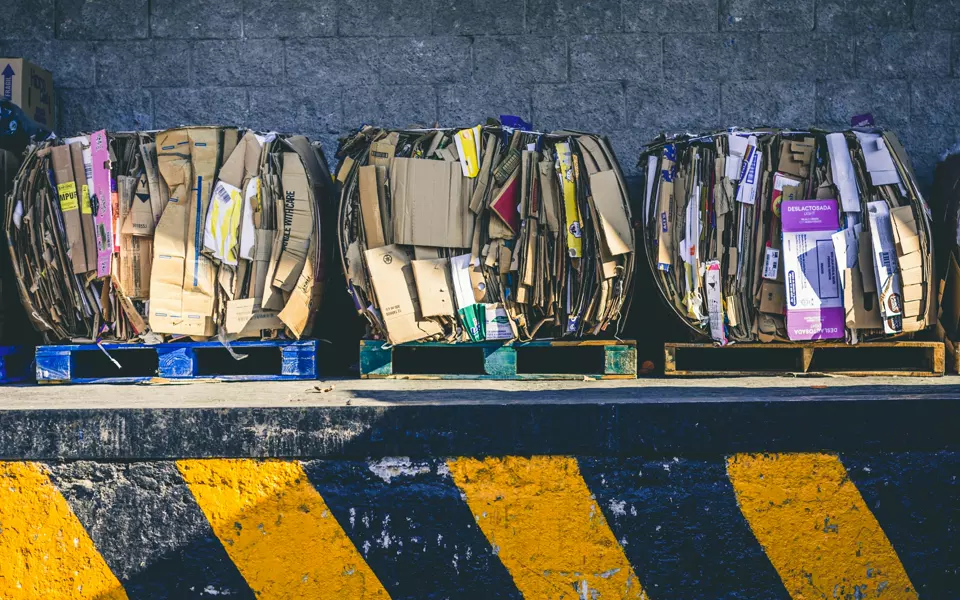
Cardboard and paper recycling
Loose or baled cardboard and office paper collected for recycling. Clean, baled card has a value, so it should cost you less than general waste. Find out more
Can paper and card go in the same bin as cans and plastic?
Sometimes. Under Simpler Recycling the default is for paper and card to be collected separately from plastic, metal and glass. They can share a bin if the collector has completed a written assessment explaining why separate collection isn’t practicable or wouldn’t bring a significant environmental benefit. We check this when we set up your service, and if it isn’t in place, we arrange a separate paper and card bin.
Do items need washing before they go in?
Rinsed, not scrubbed. Food tins, pots, tubs and trays should be emptied and given a quick rinse, so food and liquid don’t soak into the paper and card in the same bin. Bottles and cans should be empty. They don’t need to be spotless, but a bin with food and drink in it can be refused as contaminated and charged as general waste.
What happens to dry mixed recycling after it’s collected?
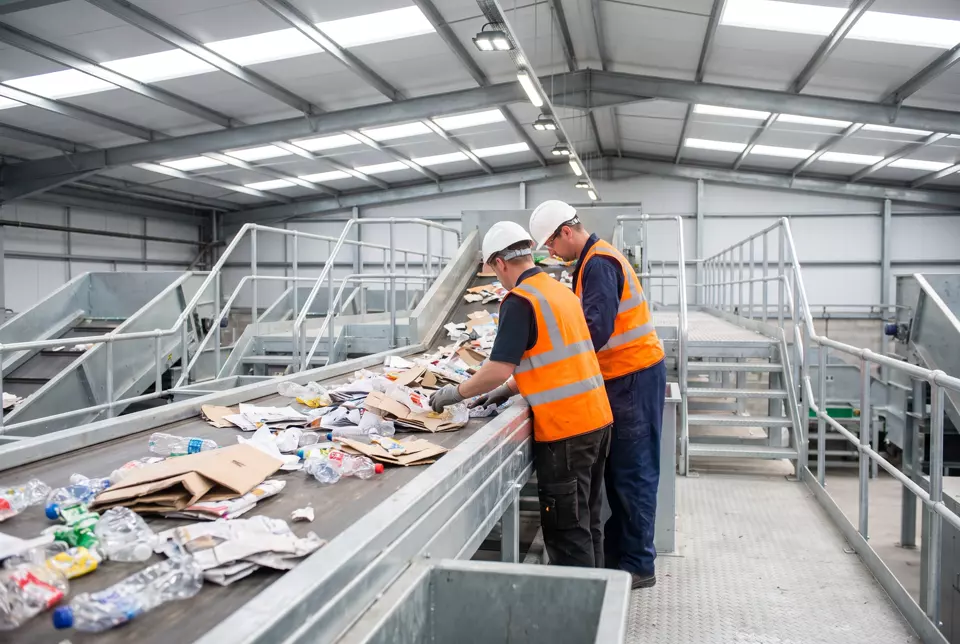
It goes to a materials recovery facility, often called a MRF. Screens, magnets, eddy currents, optical sorters and pickers separate it by material, then each material is baled and sold to reprocessors that turn it into new products. The cleaner your bin, the more of what is in it can be recycled.
Does glass go in dry mixed recycling?
It depends on the collector. Some take glass in the same bin, but many prefer it separate, because broken glass contaminates paper and card. For bars, restaurants and hotels with a lot of bottles, a separate glass bin is usually the better option anyway. We will tell you what your collector accepts and set up a glass bin if you need one.
Do we have to separate our recycling by law?
In England, yes for most workplaces. Under Simpler Recycling, businesses and other non-household premises must keep dry recyclables, food waste and general waste separate and have them collected separately. Larger workplaces had to comply first, and micro-firms with fewer than ten employees have a later deadline. Our Simpler Recycling guide sets out what it means in practice.
How often will our bins be collected?
As often as your site needs. Busy food and glass streams might need emptying several times a week, while cardboard or confidential waste might only need a collection every few weeks. We size the bins and set the frequency around what you actually produce, so you are not paying to empty half-full bins.
Dry mixed recycling across the North West
We set up dry mixed recycling for businesses in Wigan and the towns around it. Pick your area for local details.
- WiganOur home borough
- Leigh6 miles from Wigan town centre
- Skelmersdale6 miles from Wigan town centre
- Chorley7 miles from Wigan town centre
- St Helens8 miles from Wigan town centre
- Bolton9 miles from Wigan town centre
- Warrington11 miles from Wigan town centre
- Bury14 miles from Wigan town centre
- Salford15 miles from Wigan town centre
- Preston15 miles from Wigan town centre
- Manchester17 miles from Wigan town centre
- Liverpool18 miles from Wigan town centre
No-obligation quote
Get a quote for dry mixed recycling
Tell us what you throw away and where your site is. We will come back with a clear proposal for each stream, or a few questions if we need them. No obligation.
- Got a current contract?Mention your renewal date. Many waste contracts roll over automatically unless you give notice in time.