
Swarf recycling for engineering and machining
Steel, stainless, aluminium, brass and copper swarf, kept apart by metal, drained of cutting fluid and sold through licensed scrap metal dealers.
- One point of contactEvery stream, every collector, one number to call when something needs sorting.
- Matched, not bundledEach type of waste goes to the collector and outlet that suits it best.
- Paperwork in placeWaste transfer notes for every stream, so your duty of care is covered.
- Ready for Simpler RecyclingDry recycling, food and general waste kept apart, the way the law now expects.
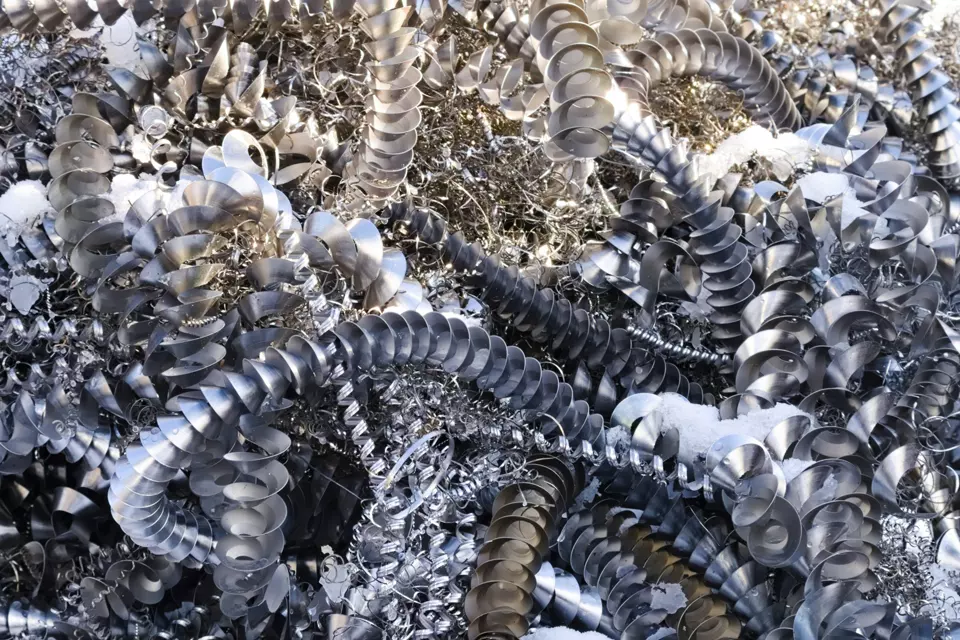
Swarf is the metal waste that comes off a workpiece during machining: the chips, turnings, shavings and filings made by turning, milling, drilling, sawing and cutting. Every CNC shop, toolroom and engineering works produces it, often in large amounts. It is still the metal you paid for, and kept clean, dry and sorted, it is worth recycling.
Recycle Gemini arranges swarf recycling for machine shops, precision engineers, fabricators and manufacturers across Wigan and the North West. We find out which metals you machine and how much swarf each one produces, recommend bins or skips that keep the grades apart and the cutting fluid in, and arrange collection and sale through licensed scrap metal dealers. The waste transfer notes are in place from the first load.
Swarf we can arrange to recycle
- Mild steel turnings and chips
- Cast iron borings and chips
- Alloy and tool steel swarf, kept separate
- Stainless steel swarf, kept apart by grade where you can
- Aluminium swarf and chips
- Brass swarf and turnings
- Copper and bronze swarf
- Drilling, milling and sawing swarf
- Briquetted swarf
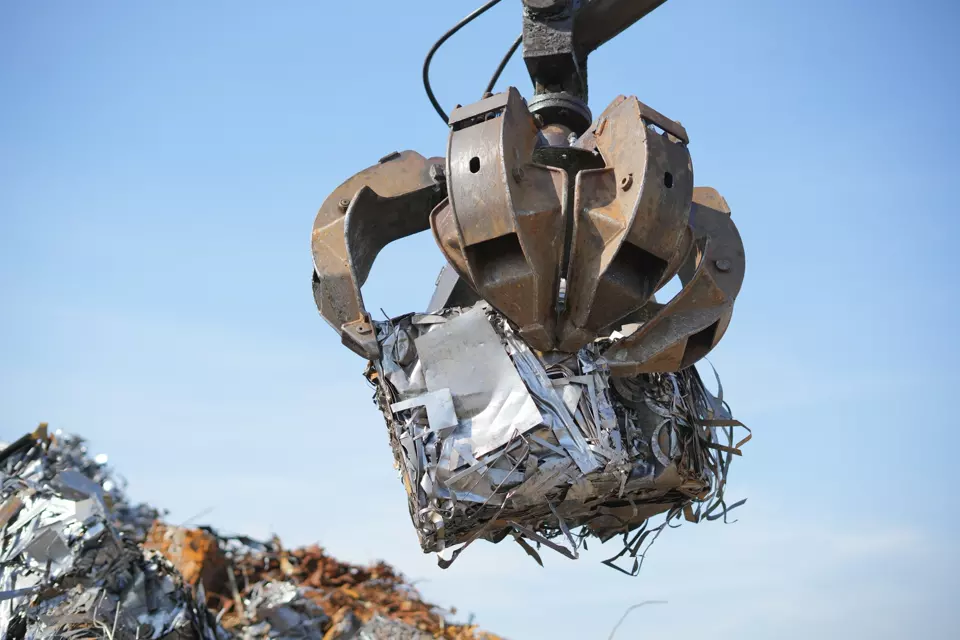
- Bar ends and offcuts from the same machines, kept apart from turnings
- Mixed swarf, where it can’t be kept apart (it will be graded down)
Keep these out of your swarf
- Used cutting fluid, coolant and machining oil (specialist hazardous waste collection)
- Oily grinding, honing and lapping sludge (specialist hazardous waste collection)
- Rags, wipes and gloves (general waste, or a specialist collection if they are oily)
- Carbide inserts and broken tooling (keep apart and ask us, they go to a different outlet)
- Plastic shavings and turnings (plastic recycling)
- Floor sweepings full of grit and dirt (ask us first)
Bins and collections
Bins and skips for swarf
We size the containers to your space and what you produce, and set the collection frequency to match.
Tipping swarf bins
Forklift tipping bins sit at the machine and empty straight into a larger container, so each metal goes from the machine to its own skip without being handled twice.
Leak-tight swarf skips
Skips with sealed bodies hold wet swarf without letting cutting fluid run across your yard or into a drain.
Lidded drums for higher-value swarf
For brass, copper or stainless in smaller amounts, a lidded drum for each metal keeps it dry and stops it disappearing into the steel.
Draining and spinning
A drain tray or a swarf centrifuge pulls cutting fluid out of the swarf, so the fluid can be reused or disposed of properly and the swarf goes dry.
Why it matters
Why dry, sorted swarf is worth more
Swarf is priced by metal and by condition. A bin of clean brass turnings or a single grade of stainless is worth more than the same weight of mixed swarf, which tends to be graded down. Cutting fluid counts against you too. Wet swarf weighs more than the metal in it, so dealers may deduct for the liquid or refuse a load that is still dripping. Draining swarf before it goes, and keeping each metal in its own bin from the machine onwards, protects what it is worth.
The fluid also changes the paperwork. In the List of Waste, ferrous and non-ferrous filings and turnings are non-hazardous (codes 12 01 01 and 12 01 03). Used machining oils and emulsions are listed as hazardous waste, and so is metal sludge from grinding, honing and lapping that contains oil (12 01 18*). Hazardous waste needs its own collection and a consignment note, and it is illegal to mix it with non-hazardous waste. Keeping spent coolant and sludge out of the swarf bin keeps your swarf simple to move and to sell.
How it works
From one conversation to every bin sorted
No site visit needed to get started. Most businesses can tell us what they need in ten minutes, and we take it from there.
Tell us what you throw away
What your site produces, roughly how much, where the bins can go, and what you have in place now.
We match each stream
We find the right registered collector and the right recycling or treatment outlet for every type of waste.
Bins and dates set up
The right containers for your space, emptied as often as you actually need, with the paperwork in place.
One contact from then on
Extra lift, a missed collection or a new stream to add? You come to us, and we deal with it.
Related services
Often set up alongside swarf
-
Cable recycling
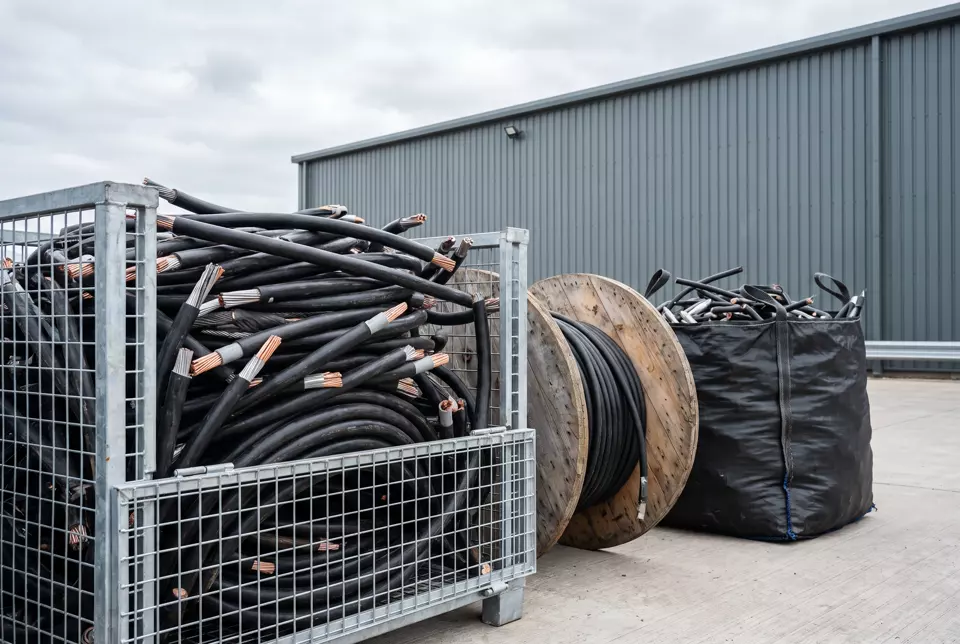
Heavy armoured and power cable, copper and aluminium cable, drum ends and strip-out cable, collected and sent to a licensed scrap metal dealer for its metal value. Find out more -
Stainless steel recycling
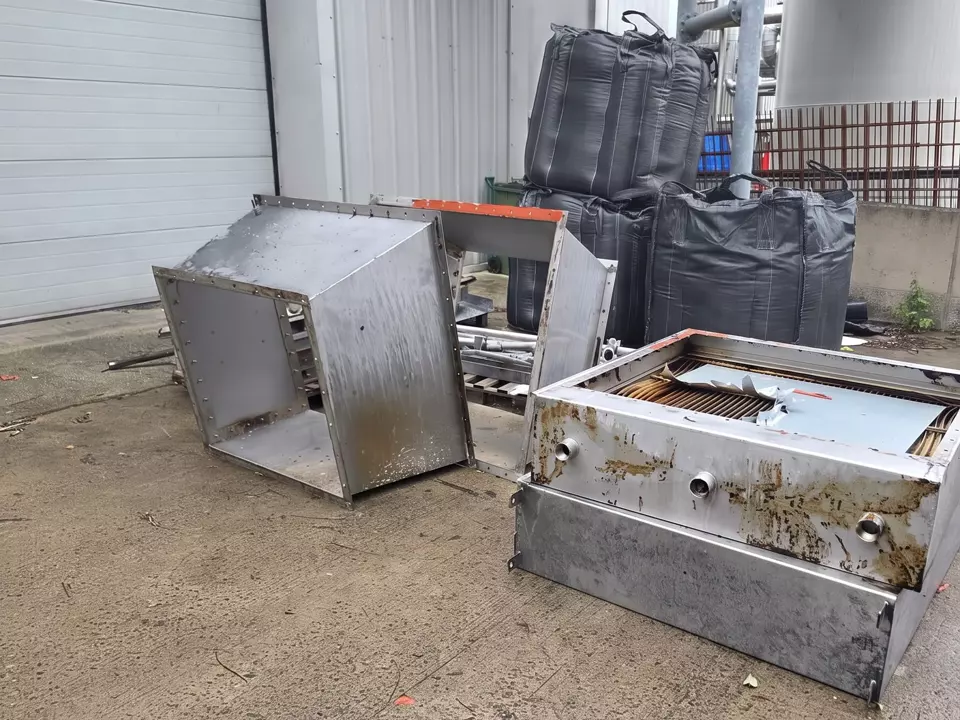
Industrial stainless offcuts, sheet, plate, tube and pipe, sorted by grade so its nickel content is paid for, not lost in mixed scrap. Find out more -
Scrap metal recycling
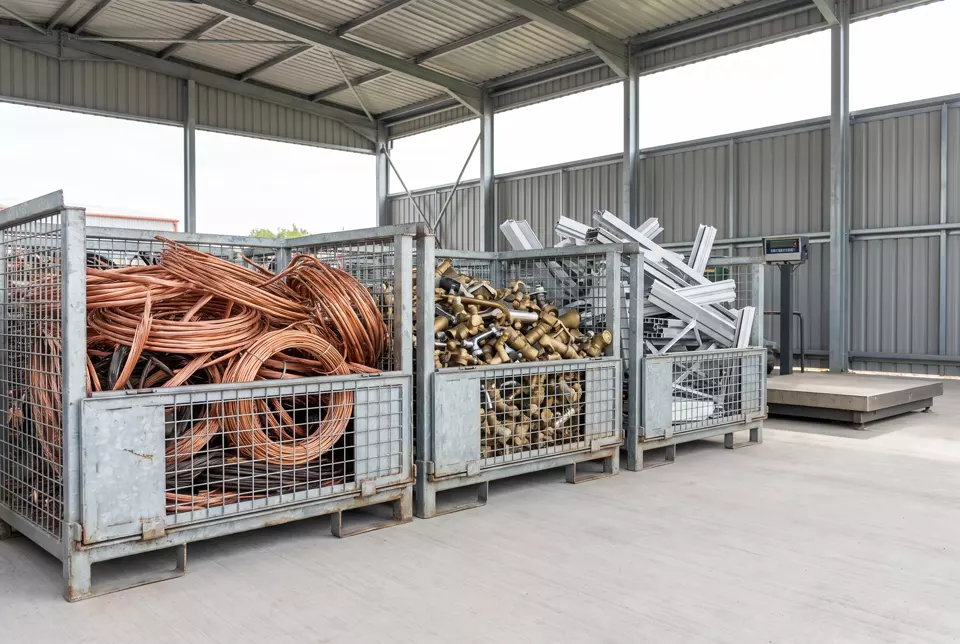
Copper, aluminium, brass, lead and steel scrap collected from your site and sold through licensed dealers, so it earns its value instead of costing you. Find out more
Does swarf need to be dry before it’s collected?
As dry as you can get it. Let swarf drain at the machine, use a drain tray or centrifuge if you produce a lot, and don’t top up bins with fluid from the sump. A load that is still dripping can be refused or priced down, and fluid leaking from a skip is a pollution risk: your duty of care includes stopping waste escaping. If swarf is heavily contaminated, tell us what fluid you use before it is collected.
Can different types of swarf go in the same bin?
Ideally not. Mixed swarf is hard to separate after the event, so it tends to be priced as the lower-value metal. At the least, keep ferrous swarf, steel and cast iron, apart from non-ferrous swarf such as aluminium, brass and copper, and keep stainless separate from both. If you cut 304 and 316 stainless, or several brass or aluminium alloys, separate bins for each are usually worth it. We will suggest a split that suits your volumes.
Do we need a scrap metal licence to sell our swarf?
Usually not. Under the Scrap Metal Dealers Act 2013, a manufacturer that sells metal only as a by-product of making things, or as surplus material it doesn’t need, is not treated as selling scrap metal. The dealer who buys your swarf does need a council licence, and must verify your business’s name and address and pay by bank transfer or non-transferable cheque. We only arrange sales through licensed dealers.
What happens to swarf after it’s collected?
It goes to a licensed scrap metal dealer, where it is checked, weighed and graded. From there it is sold on to steelworks, foundries and smelters that melt it down into new metal. Payment comes from the dealer by bank transfer, never cash, as the law requires, and the waste transfer note records what the waste was, how much there was and who took it.
Do we get paid for our scrap cable, swarf and stainless?
Usually, yes. Clean, separated scrap metal has a market value, so it should earn you money rather than cost you. We arrange collection and sale through licensed scrap metal dealers, and you are paid by bank transfer: paying cash for scrap metal is illegal in England and Wales under the Scrap Metal Dealers Act 2013. What it is worth moves with the metals markets, so it is priced at the time of collection.
Should we keep different metals apart?
Yes, wherever you can. Mixed scrap is priced at the value of its lowest-grade part, so stainless thrown in with mild steel, or copper cable mixed with aluminium, is paid for as the cheaper metal. Separate bins or bags for each metal and grade, kept free of general waste, make the biggest difference to what your scrap is worth.
Swarf recycling across the North West
We set up swarf recycling for businesses in Wigan and the towns around it. Pick your area for local details.
- WiganOur home borough
- Leigh6 miles from Wigan town centre
- Skelmersdale6 miles from Wigan town centre
- Chorley7 miles from Wigan town centre
- St Helens8 miles from Wigan town centre
- Bolton9 miles from Wigan town centre
- Warrington11 miles from Wigan town centre
- Bury14 miles from Wigan town centre
- Salford15 miles from Wigan town centre
- Preston15 miles from Wigan town centre
- Manchester17 miles from Wigan town centre
- Liverpool18 miles from Wigan town centre
No-obligation quote
Get a quote for swarf recycling
Tell us what you throw away and where your site is. We will come back with a clear proposal for each stream, or a few questions if we need them. No obligation.
- Got a current contract?Mention your renewal date. Many waste contracts roll over automatically unless you give notice in time.