
WEEE and electrical waste recycling for businesses
Old computers, monitors, printers, lighting, appliances and other electrical equipment collected for licensed treatment and recycling, with data-bearing devices handled securely.
- One point of contactEvery stream, every collector, one number to call when something needs sorting.
- Matched, not bundledEach type of waste goes to the collector and outlet that suits it best.
- Paperwork in placeWaste transfer notes for every stream, so your duty of care is covered.
- Ready for Simpler RecyclingDry recycling, food and general waste kept apart, the way the law now expects.
Electrical waste builds up in every business: a cupboard of old laptops, a stack of monitors after an upgrade, broken kettles and microwaves, fluorescent tubes from a lighting refit. It shouldn’t go in general waste, some of it is hazardous, and much of it holds data. It needs its own route.
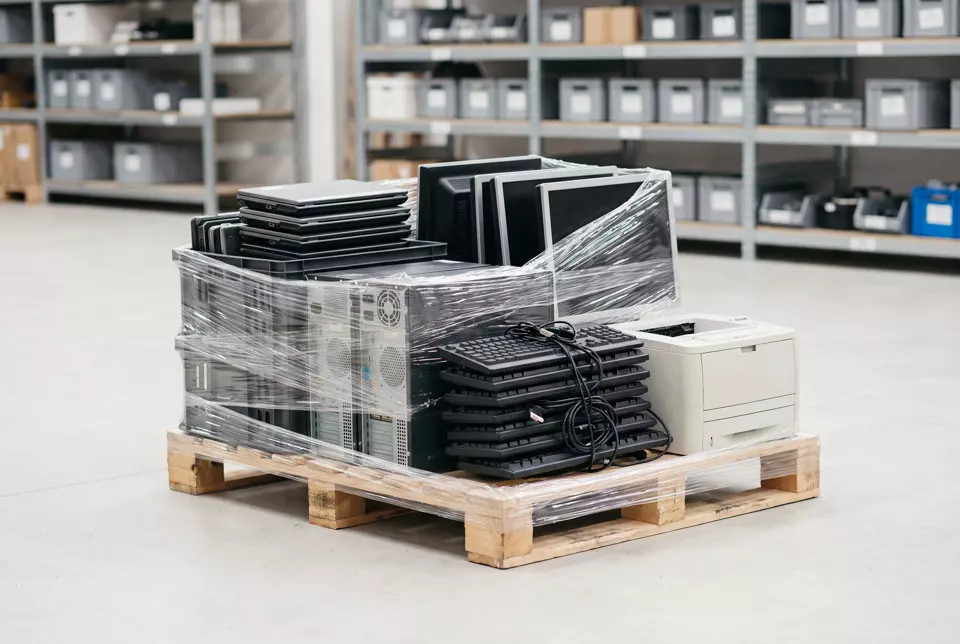
Recycle Gemini arranges collections of business electrical waste, known as WEEE, across the North West, from a single cage of IT equipment to a full office clearance. We find out what you have, identify the hazardous items such as fluorescent tubes and fridges, and arrange a registered collector and treatment facility with the right paperwork. For computers, phones and servers, we can arrange collections that come with a certificate of data destruction.
Electrical waste we can arrange to collect
- Desktop computers, laptops and servers
- Monitors and screens
- Printers, copiers and scanners
- Phones, tablets and handheld devices
- Keyboards, mice, cables and network equipment
- Fluorescent tubes and LED lamps
- Kettles, microwaves, toasters and coffee machines
- Fridges, freezers and drinks chillers
- Vending machines and water coolers
- Power tools and small electrical equipment
- Electric heaters and fans
- Batteries, including UPS batteries, kept separate
Keep these apart
- Loose batteries mixed in with other kit (separate battery collection)
- Damaged or swollen lithium batteries (specialist handling, tell us first)
- Leased or rented equipment (usually returned to the leasing company)
- Ink and toner cartridges (cartridge return scheme or specialist collection)
- Large fixed industrial machinery (scrap metal or specialist removal)
- Furniture and general office waste (general waste or recycling)
Bins and collections
Collection options for electrical waste
We size the containers to your space and what you produce, and set the collection frequency to match.
WEEE cages
Lockable steel cages for gathering IT and small electricals as they are retired, collected when full.
Lamp and tube containers
Long boxes or bins that keep fluorescent tubes whole, because broken tubes release mercury.
Battery boxes
Small lidded containers for spent batteries, kept away from other waste and from heat.
Clearance collections
For refits and office moves, equipment can be palletised or collected loose as a single job, with an asset list if you need one.
Why it matters
Why electrical waste needs a proper route
Electrical equipment contains materials worth recovering, such as copper, aluminium, steel and the precious metals in circuit boards, and others that need careful treatment. Fluorescent tubes and fridges are classed as hazardous waste, as are some screens and some types of battery, and it is illegal to mix hazardous waste with non-hazardous waste. Hazardous items travel on a consignment note rather than a waste transfer note, and you must keep it for three years.
Who pays depends on the age of the kit. Under the WEEE Regulations, the producer of equipment sold since 13 August 2005 generally pays for its collection and treatment, unless you agreed otherwise when you bought it. For older kit, the producer of a like-for-like replacement takes it on. Otherwise the cost falls to you, and it must go to an approved treatment facility. Then there is data. Under UK GDPR you remain responsible for personal data on a device until it is wiped or destroyed, and the ICO expects methods such as device wiping, degaussing or hardware shredding, with a log of devices awaiting disposal.

How it works
From one conversation to every bin sorted
No site visit needed to get started. Most businesses can tell us what they need in ten minutes, and we take it from there.
Tell us what you throw away
What your site produces, roughly how much, where the bins can go, and what you have in place now.
We match each stream
We find the right registered collector and the right recycling or treatment outlet for every type of waste.
Bins and dates set up
The right containers for your space, emptied as often as you actually need, with the paperwork in place.
One contact from then on
Extra lift, a missed collection or a new stream to add? You come to us, and we deal with it.
Related services
Often set up alongside weee and it
-
Plastic recycling
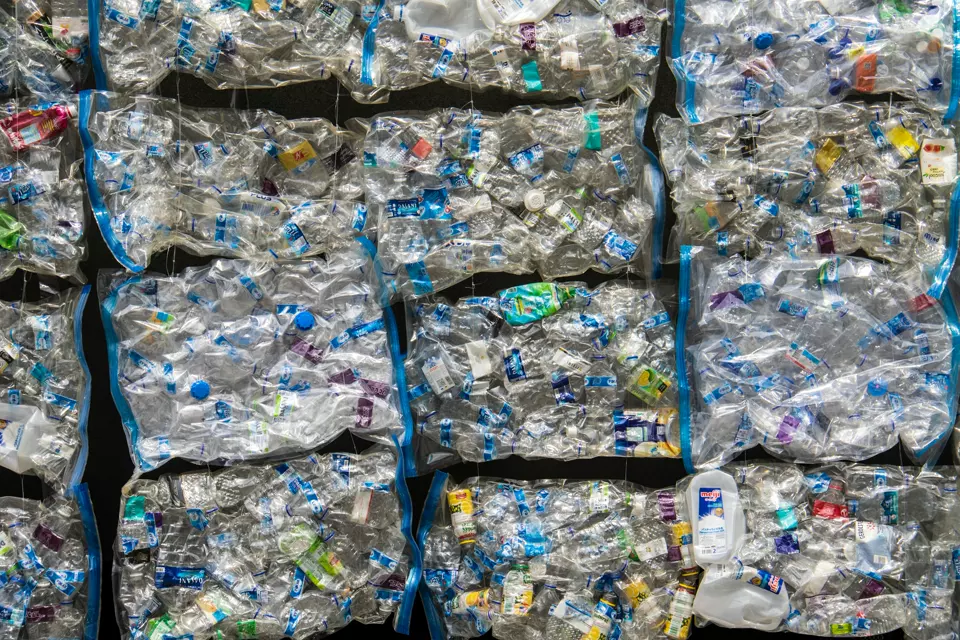
Plastic film, shrink wrap, bottles and rigid plastics, separated at source and sent to the right reprocessor for each type. Find out more -
Glass recycling
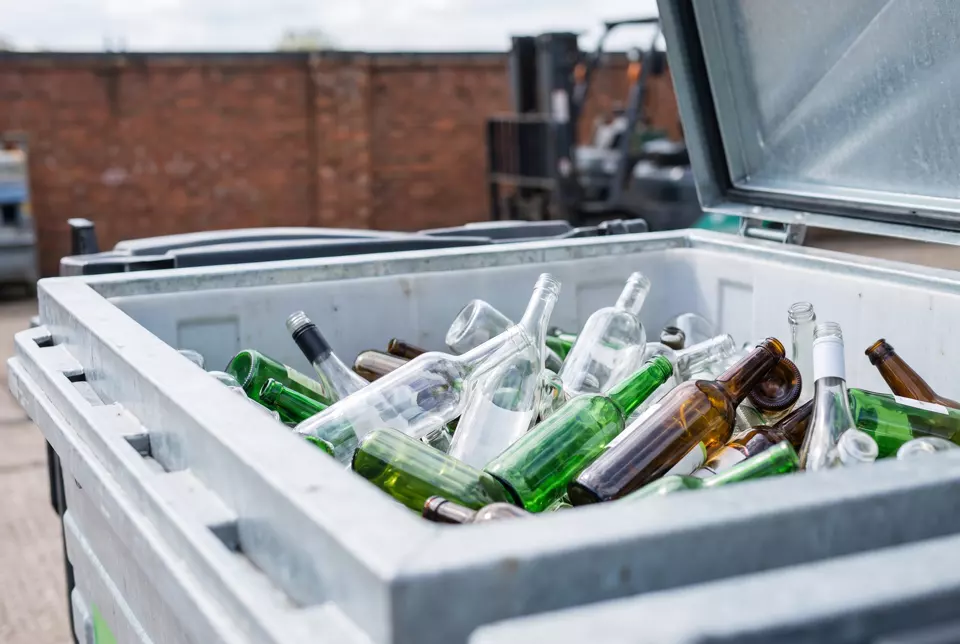
Bottles and jars from bars, restaurants, hotels and offices, collected in glass bins built to take the weight and the noise. Find out more -
Wood and pallet recycling
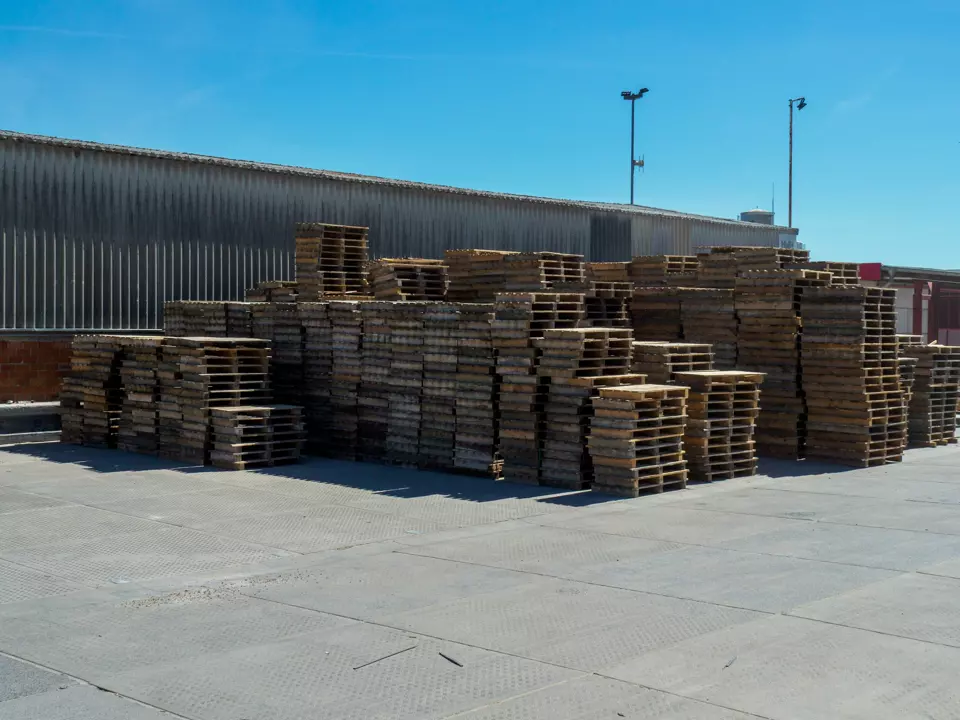
Pallets, packaging timber and offcuts collected for reuse, recycling or biomass, instead of filling your general waste bins. Find out more
What happens to the data on our old computers and phones?
It stays your responsibility until it is destroyed. Back up anything you need before collection. We can arrange collections where hard drives and storage are wiped with data erasure software or physically shredded, and that come with a certificate of destruction. Remove phones, tablets and laptops from any device management or tracking accounts first, or they can’t be reused.
Are fluorescent tubes hazardous waste?
Yes. Fluorescent tubes and compact fluorescent lamps contain mercury and are classed as hazardous waste. Keep them whole, store them apart from other waste, and have them collected with a hazardous waste consignment note. Never put them in general waste or a skip. LED lamps are electrical waste too and should also go for WEEE recycling rather than in the general bin.
Does old IT equipment have any value?
Sometimes. Recent laptops, phones and servers in working order may be refurbished and resold, which can offset some or all of the cost of collection. Older or broken equipment is usually recycled for its materials instead. Tell us the makes, models and ages of what you have, and we will find out whether reuse is an option before anything is recycled.
Can you arrange a one-off collection?
Yes. Office moves, clear-outs, a backlog of old IT equipment or a site that has outgrown its bins are all common reasons. Tell us what needs to go, roughly how much and where it is, and we will arrange the right collection and the paperwork for it.
Do you handle hazardous waste?
Hazardous waste, such as chemicals, oils, asbestos and some electrical items, needs specialist carriers, treatment sites and consignment notes. Tell us what you have and we will tell you straight away whether we can arrange it or who you should speak to.
WEEE and electrical waste recycling across the North West
We set up weee and electrical waste recycling for businesses in Wigan and the towns around it. Pick your area for local details.
- WiganOur home borough
- Leigh6 miles from Wigan town centre
- Skelmersdale6 miles from Wigan town centre
- Chorley7 miles from Wigan town centre
- St Helens8 miles from Wigan town centre
- Bolton9 miles from Wigan town centre
- Warrington11 miles from Wigan town centre
- Bury14 miles from Wigan town centre
- Salford15 miles from Wigan town centre
- Preston15 miles from Wigan town centre
- Manchester17 miles from Wigan town centre
- Liverpool18 miles from Wigan town centre
No-obligation quote
Get a quote for weee and electrical waste recycling
Tell us what you throw away and where your site is. We will come back with a clear proposal for each stream, or a few questions if we need them. No obligation.
- Got a current contract?Mention your renewal date. Many waste contracts roll over automatically unless you give notice in time.