
Plastic recycling for businesses: film, rigid plastics and bottles
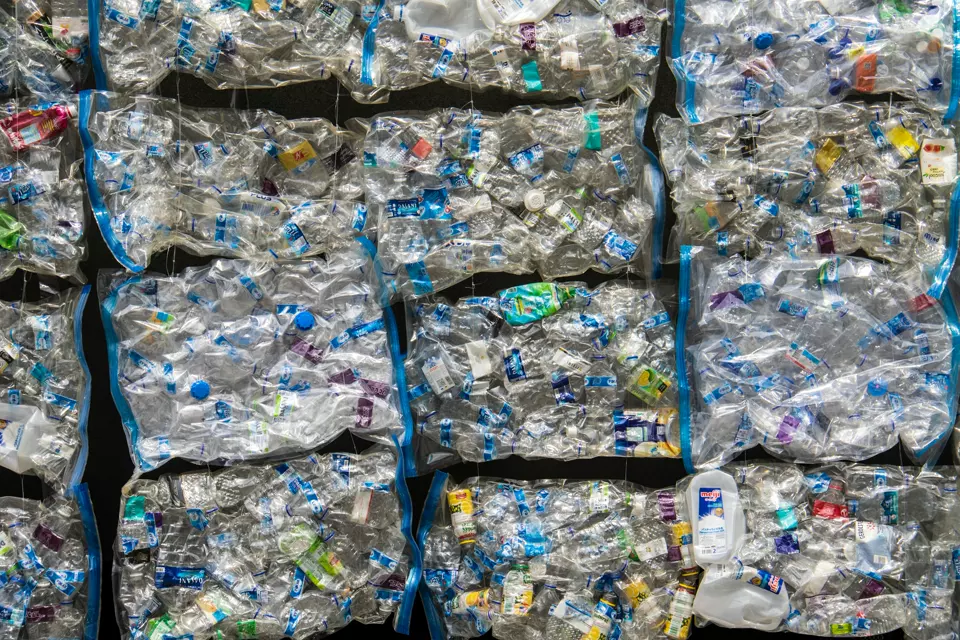
Pallet wrap, shrink film, crates, drums and bottles, separated at source and sent to the right reprocessor for each type. Clean, sorted plastic is worth recycling. Mixed, dirty plastic is much harder to place.
- One point of contactEvery stream, every collector, one number to call when something needs sorting.
- Matched, not bundledEach type of waste goes to the collector and outlet that suits it best.
- Paperwork in placeWaste transfer notes for every stream, so your duty of care is covered.
- Ready for Simpler RecyclingDry recycling, food and general waste kept apart, the way the law now expects.
Plastic isn’t one material. The pallet wrap in a warehouse, the drums in a factory and the bottles in a staff kitchen are different polymers that go to different reprocessors. Thrown together, or mixed with food and general waste, they are hard to recycle and costly to get rid of. Kept apart, many of them have a buyer.
Recycle Gemini looks at the plastic your site produces and works out what is worth separating. For packaging-heavy sites, that often means bagging or baling film, with rigid plastics such as crates, drums and tubs collected on their own. For offices and shops, bottles and pots usually go in dry mixed recycling. We arrange the collector, the containers and the paperwork for each.
Plastics we can arrange recycling for
- Pallet stretch wrap
- Shrink wrap and shrink hoods
- Clear polythene bags and sheeting
- Coloured and printed film, kept apart from clear
- Bubble wrap
- Plastic strapping
- Plastic crates, trays and totes
- Empty, clean plastic drums and containers
- Plastic bottles (PET and HDPE)
- Rinsed plastic pots, tubs and trays
- Clean expanded polystyrene packaging
- Clean production offcuts of a single plastic type
Keep these out of plastic recycling
- Food-soiled plastic and film (general waste)
- Containers that held chemicals, solvents or oils (specialist hazardous waste collection)
- Compostable or biodegradable plastics (general waste)
- Foil-lined crisp and snack packets (general waste)
- Used gloves, aprons and other PPE (general waste)
- Electrical items with plastic casings (WEEE collection)
Bins and collections
Ways to store and collect plastic
We size the containers to your space and what you produce, and set the collection frequency to match.
Film sacks
Large clear sacks for stretch and shrink film, placed where pallets are unwrapped, so the film stays clean and dry until collection.
Balers and baled film
Film bales well. A baler turns bulky wrap into dense bales that store easily and are far more attractive to reprocessors than loose bags.
Wheeled bins for bottles and rigid plastics
240-litre to 1,100-litre bins for bottles, pots and smaller rigid items, collected on their own or as part of dry mixed recycling.
Cages and stillages
For bulky rigid plastics such as crates, drums and plastic pallets, a cage or stillage keeps them together and ready to load.
Why it matters
Why sorting plastic by type pays
Reprocessors buy plastic by polymer and grade. A clean bale of clear film is a different product from a bag of mixed plastic with food in it, and the price, or the charge, reflects that. Clear film, clean HDPE and PET bottles, and single-polymer offcuts in volume can earn a rebate rather than a charge, depending on the market at the time. The same material in a general waste bin costs you as much as anything else in there.
Plastic is also one of the dry recyclable streams covered by Simpler Recycling, so workplaces in England must keep it out of general waste. For most offices, a dry mixed recycling bin takes care of that. For warehouses, manufacturers and retailers with plastic packaging in volume, separating film and rigid plastic at source is where the real gain is, and it makes your recycling far easier to show.
How it works
From one conversation to every bin sorted
No site visit needed to get started. Most businesses can tell us what they need in ten minutes, and we take it from there.
Tell us what you throw away
What your site produces, roughly how much, where the bins can go, and what you have in place now.
We match each stream
We find the right registered collector and the right recycling or treatment outlet for every type of waste.
Bins and dates set up
The right containers for your space, emptied as often as you actually need, with the paperwork in place.
One contact from then on
Extra lift, a missed collection or a new stream to add? You come to us, and we deal with it.
Related services
Often set up alongside plastics
-
Glass recycling
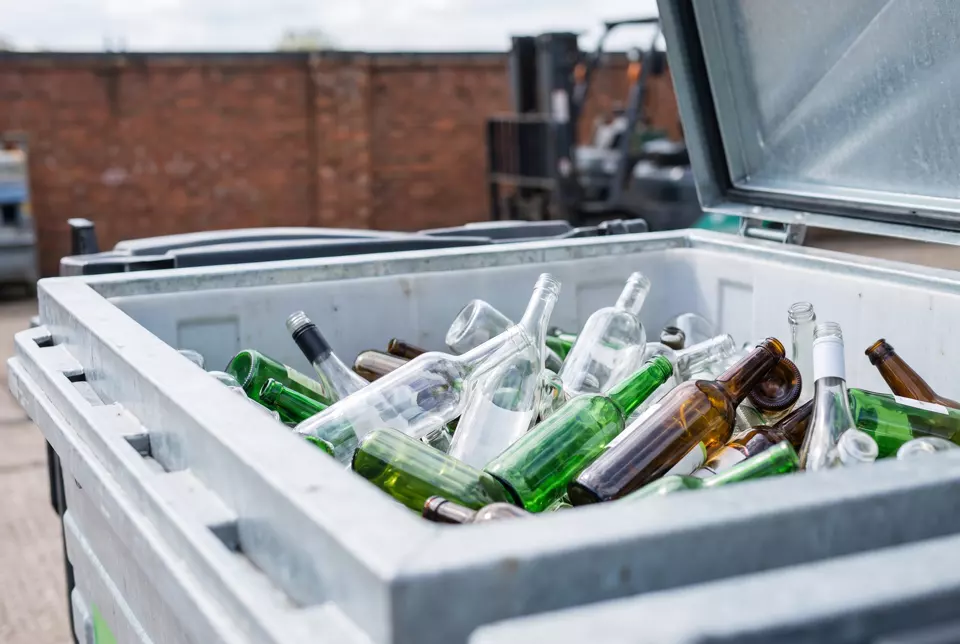
Bottles and jars from bars, restaurants, hotels and offices, collected in glass bins built to take the weight and the noise. Find out more -
Wood and pallet recycling
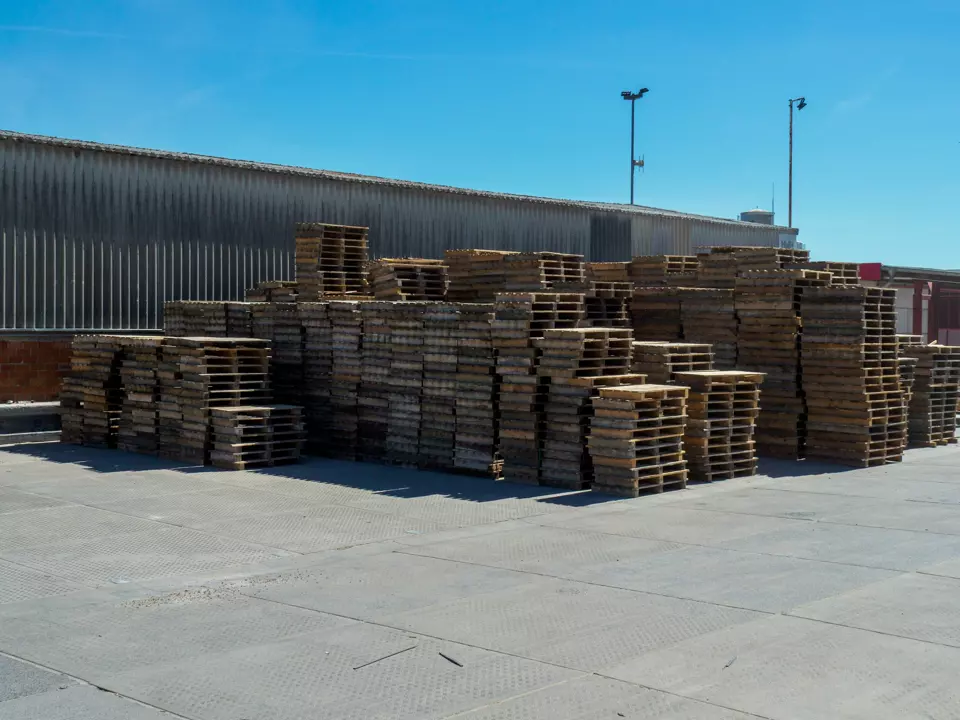
Pallets, packaging timber and offcuts collected for reuse, recycling or biomass, instead of filling your general waste bins. Find out more -
Confidential waste shredding
Lockable consoles and secure sacks for documents with personal or business data, collected and securely shredded, then recycled. Find out more
Can you recycle pallet wrap and shrink wrap?
Yes, and it is one of the most worthwhile plastics to separate. Stretch and shrink film from incoming pallets is usually clean, so it recycles well. Keep it free of food, tape and strapping as far as you can, store it dry, and bag or bale it near where pallets are broken down. We arrange the sacks or a baler, and a collection that suits your volumes.
Is coloured or printed film recyclable?
Yes, but clear film is usually worth more, because it can be made into a wider range of new products. If you produce both in volume, keeping clear film apart from coloured or printed film can improve what you are offered for it. For smaller amounts, mixed film collected together is still far better than sending it to general waste.
Is polystyrene packaging recyclable?
Clean expanded polystyrene, the white packaging around electrical goods, can be recycled, but it is light and bulky, so it is only worth collecting in volume. Some reprocessors compact it into dense blocks. Food-soiled polystyrene, such as takeaway trays, goes in general waste. Tell us what you produce and we will find out whether there is a local outlet for it.
What about plastic containers that held chemicals?
Containers that held hazardous substances, such as some cleaning chemicals, solvents or oils, can be hazardous waste themselves, and it is illegal to mix hazardous waste with non-hazardous waste. Check the label and the safety data sheet. Hazardous containers need a specialist collection and a consignment note. Tell us what you have and we will tell you whether we can arrange it.
Can we be paid for our recycling?
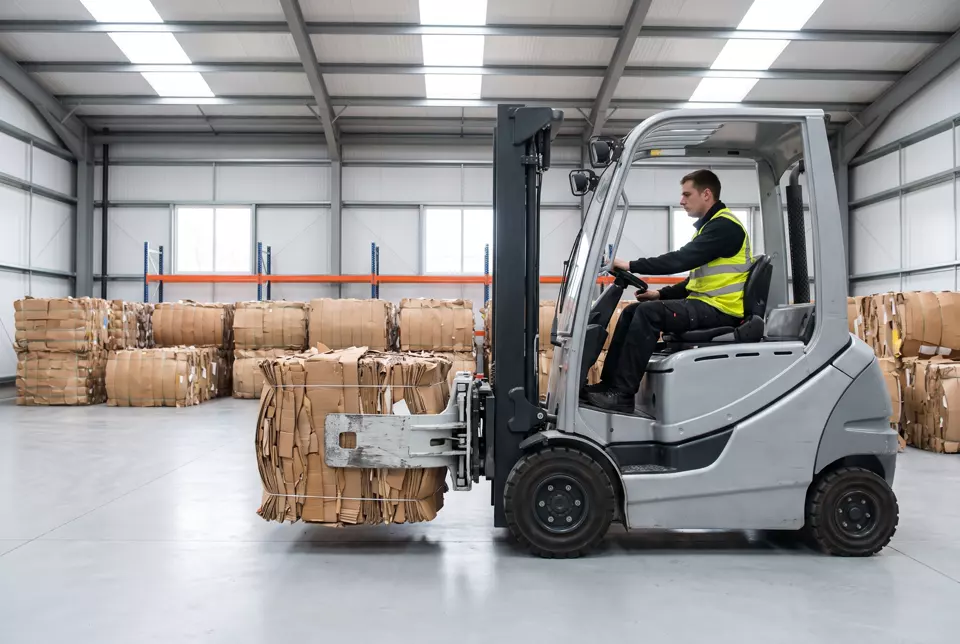
Sometimes. Materials such as baled cardboard, clean plastic film and metals are traded commodities, so if you produce them in volume and keep them clean and separate, they can earn a rebate instead of costing you money. What they are worth moves with the market. We will tell you honestly whether your volumes are likely to make it worthwhile.
Plastic recycling across the North West
We set up plastic recycling for businesses in Wigan and the towns around it. Pick your area for local details.
- WiganOur home borough
- Leigh6 miles from Wigan town centre
- Skelmersdale6 miles from Wigan town centre
- Chorley7 miles from Wigan town centre
- St Helens8 miles from Wigan town centre
- Bolton9 miles from Wigan town centre
- Warrington11 miles from Wigan town centre
- Bury14 miles from Wigan town centre
- Salford15 miles from Wigan town centre
- Preston15 miles from Wigan town centre
- Manchester17 miles from Wigan town centre
- Liverpool18 miles from Wigan town centre
No-obligation quote
Get a quote for plastic recycling
Tell us what you throw away and where your site is. We will come back with a clear proposal for each stream, or a few questions if we need them. No obligation.
- Got a current contract?Mention your renewal date. Many waste contracts roll over automatically unless you give notice in time.